Abrasive Cold Cutting of Piles in the River Trent
Project Overview
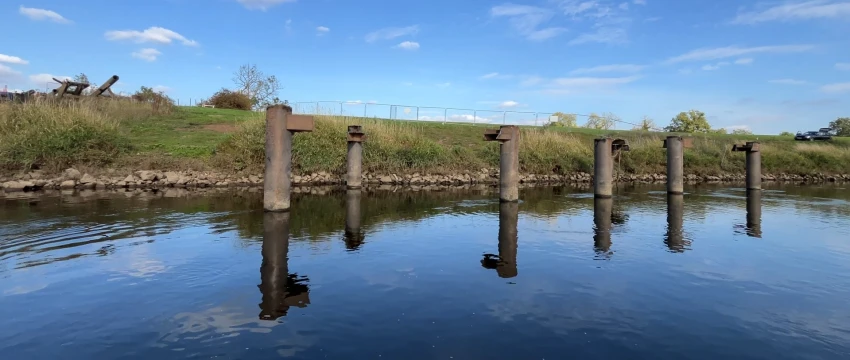
RGL was contracted by AR Demolition to decommission an obsolete sand and gravel loading facility on the River Trent in Lincoln. The scope involved cutting 19 steel piles at riverbed level using ultra-high-pressure (UHP) abrasive waterjet technology. The piles themselves were constructed from steel, had a wall thickness of 16-18 mm and diameter of 1.3 and 1.6 meters.
UHP abrasive waterjet cutting was selected as the most practical and effective method for this underwater environment. It offered simple setup, fully remote operation (eliminating the need for divers), precise results despite internal debris challenges, and minimal riverbed disturbance, ensuring compliance with UK environmental regulations. The project highlighted RGL's expertise in bespoke equipment design, operational flexibility, and efficient execution.
Solution: Custom UHP Waterjet Cutting Rig
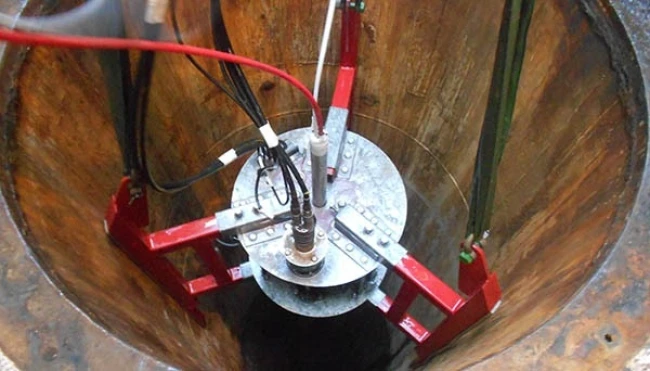
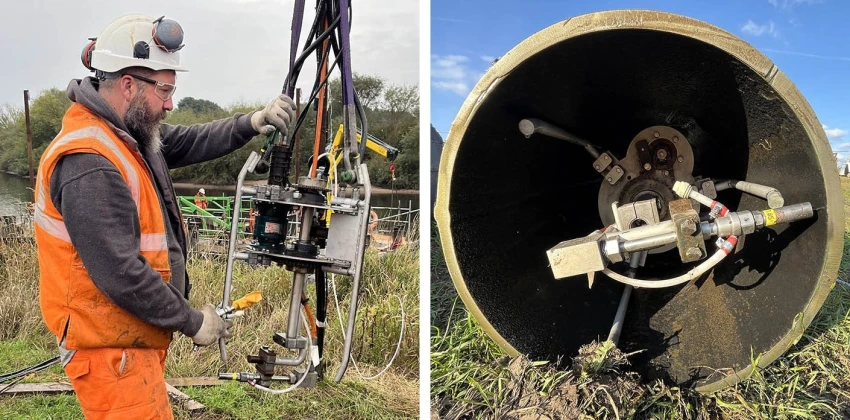
RGL designed and built bespoke cutting rigs in-house, tailored for the two pile sizes. Each rig featured:
A hydraulic clamping system to secure the frame inside the pile for cutting stability.
A hydraulic motor to rotate the cutting head 360 degrees, enabling full severance in a single pass.
A UHP waterjet system operating at approximately 2,800 bar using a garnet abrasive for efficient cutting of the steel piles.
The operation was supported by:
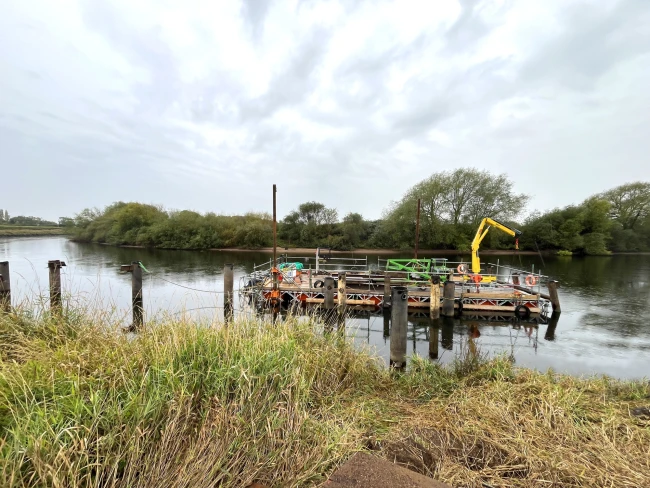
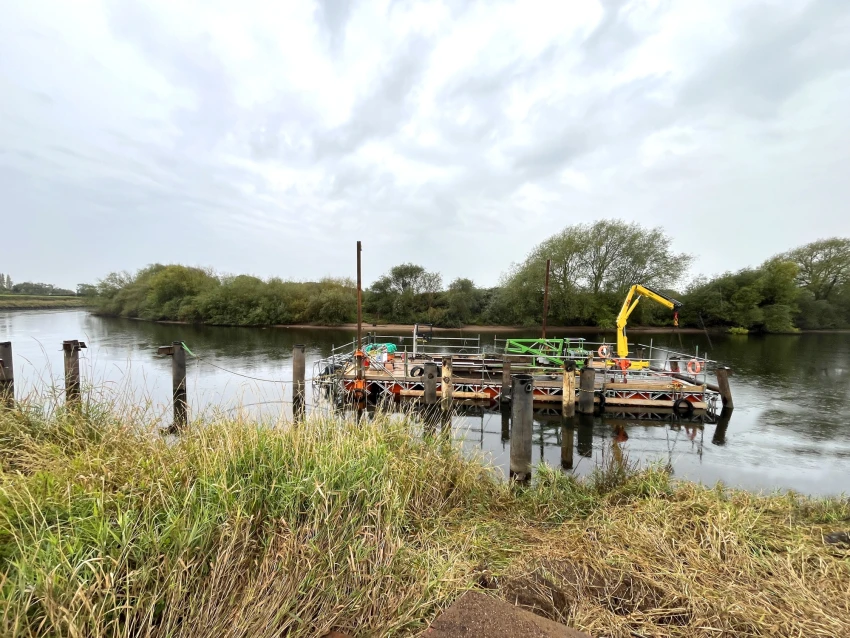
Barge Platform
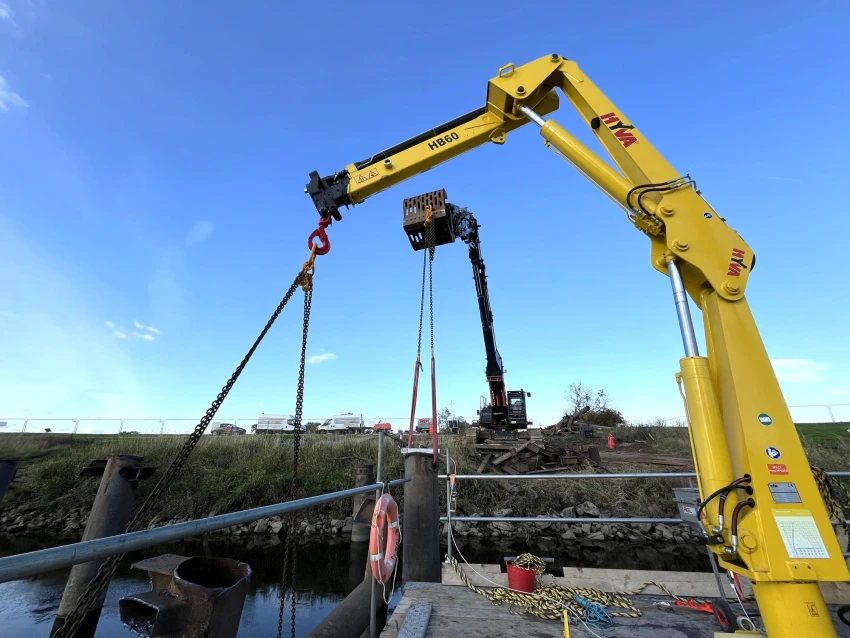
A barge based platform with onboard crane. This gave us the ability to work from land and water. The onboard crane was used to lower the cutting rig into the piles and to lift the severed piles from the riverbed and move them into reach of the excavator for retrieval.
Excavator
AR Demolition provided a long reach excavator to lower the cutting rigs into the piles, and to also lift the severed piles from the riverbed and onto land.
Implementation Process
Pre-Operation Planning: RGL surveyed the site to confirm pile dimensions, material properties, and riverbed conditions.
Equipment Mobilisation: Custom rigs, UHP pump, and water bowser were transported to the site and set up on the river bank.
Cutting: The UHP waterjet rigs were lowered into each pile and the 360-degree cuts were made with relative ease.
Pile Removal: AR Demolition’s excavator extracted each severed pile that was within its reach, the remaining piles were removed using the barge onboard crane and moved to the river bank.
Results and Outcomes
Efficiency: Each cut took 30-40 minutes, meeting project time lines. The custom rigs’ design and barge-based operation minimised downtime.
Quality: Precise cuts through the steel ensured clean severance, facilitating easy pile extraction without additional processing.
Safety: Remote-controlled rigs eliminated diver involvement. No safety incidents occurred.
Conclusion
The River Trent pile cutting project demonstrated RGL’s ability to deliver a practical, efficient solution using UHP waterjet cutting technology. By designing custom rigs and overcoming location challenges, RGL enabled AR Demolition to decommission the obsolete loading area effectively, and without divers along with the risks/costs associated with them.
Request a call back